Previous
Next
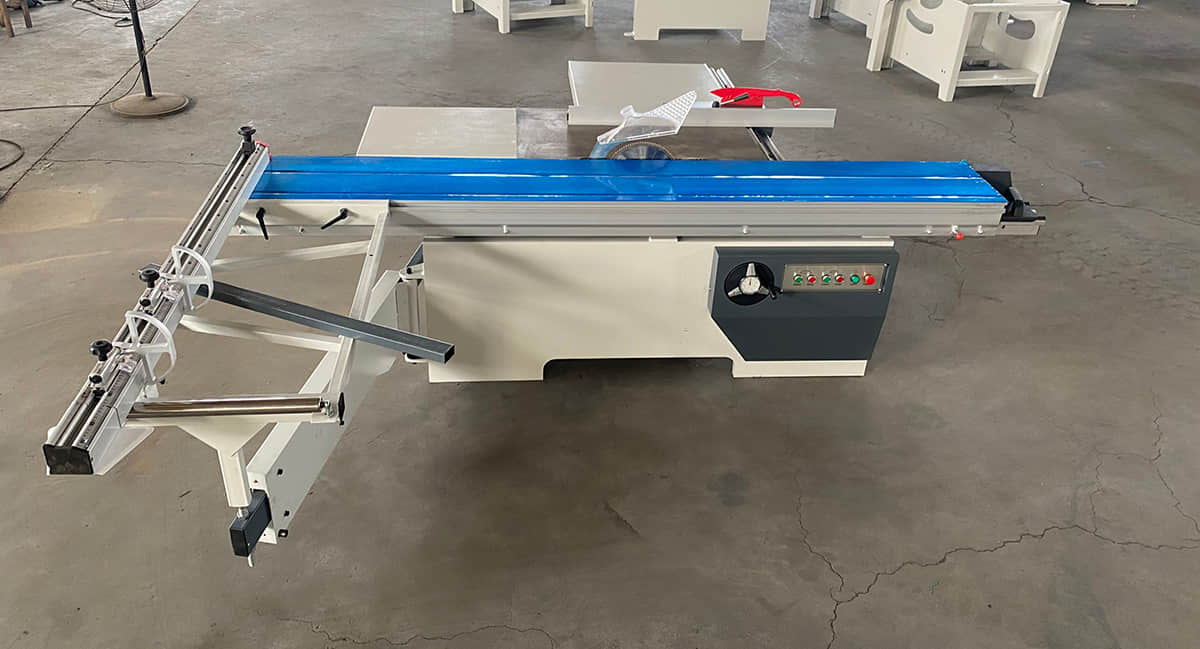
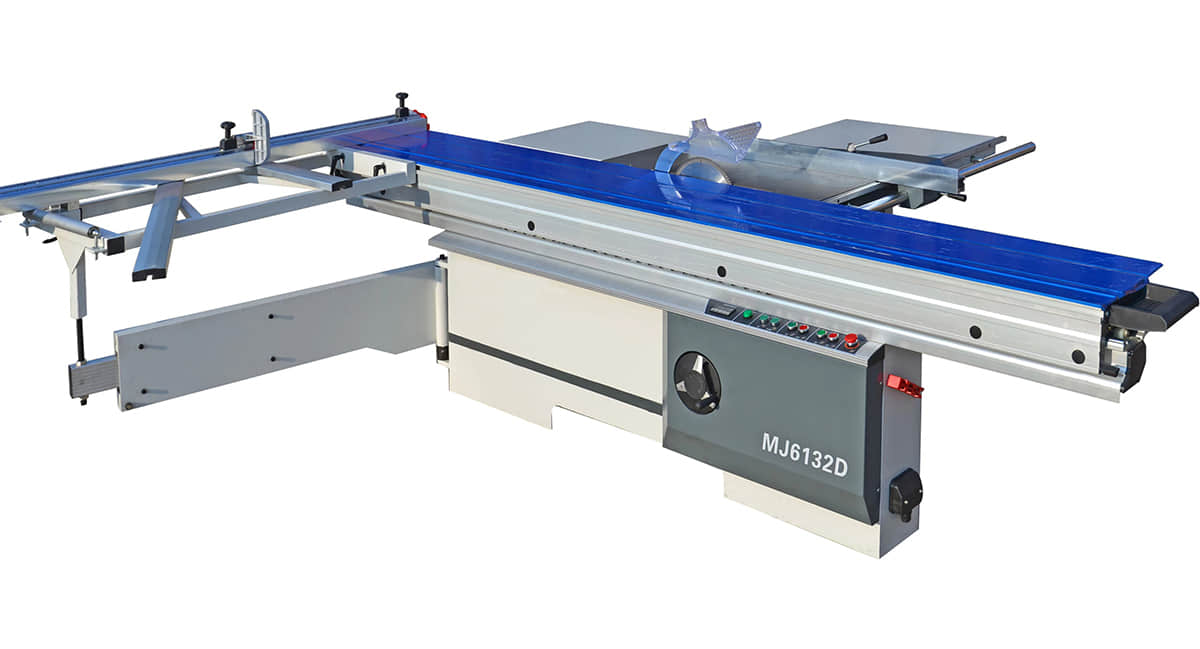
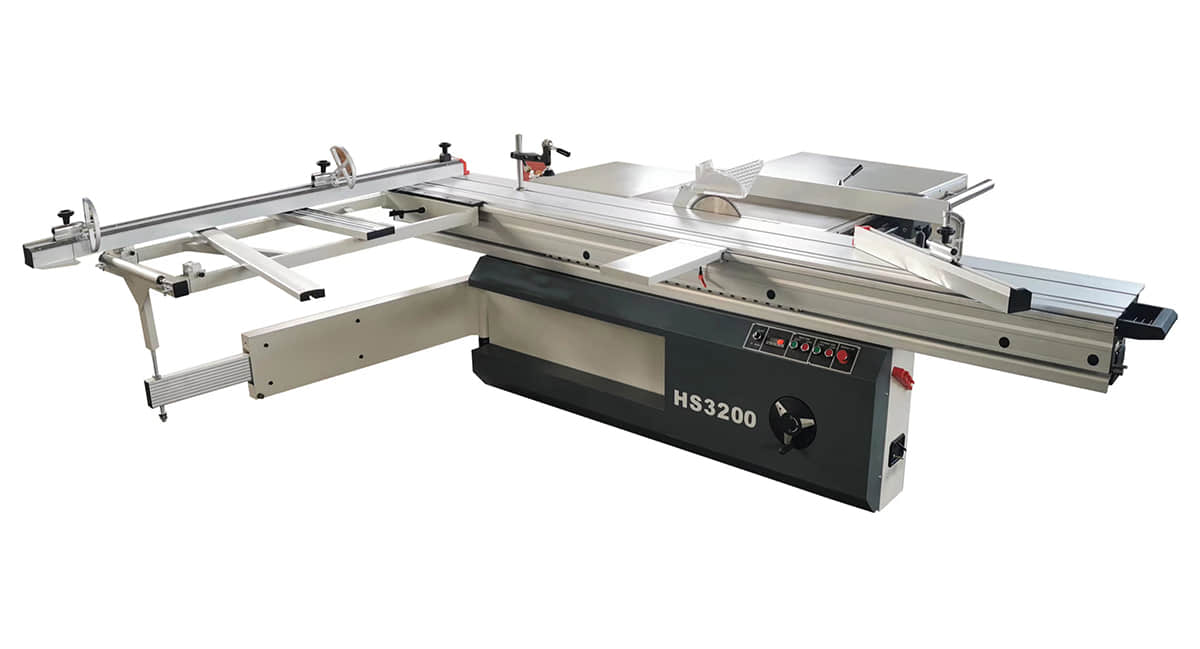
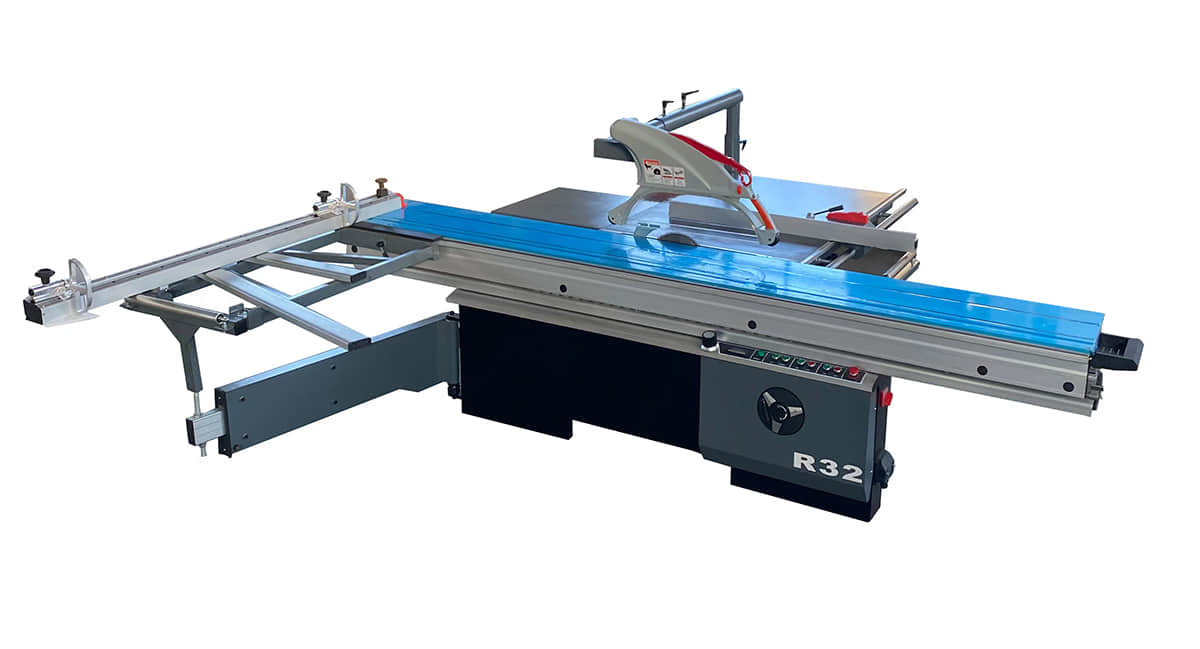
Panel saw machine
Panel Saw Machine: The Ultimate Guide for Precision Wood Cutting
A panel saw machine is an essential piece of equipment in modern woodworking and material fabrication. Designed for making straight, accurate cuts on large sheet materials, it streamlines production, enhances efficiency, and ensures superior cut quality. Whether you are a small cabinet shop or a large-scale manufacturing facility, a panel saw is the cornerstone of productive material processing.
Key Features & Specifications
Modern panel saws come with a range of features designed for precision and user convenience:
Precision Cutting System: Equipped with high-quality saw blades and robust guiding systems (linear guides or rails) for perfectly straight, chip-free cuts.
Robust Construction: Built with a heavy-duty steel frame and stable table to minimize vibration and ensure long-term accuracy and durability.
Safety Systems: Include emergency stop buttons, blade guards, and safety brakes to protect the operator.
Scoring Blade: An optional pre-scoring blade makes a shallow cut before the main blade, preventing chipping and splintering on both sides of laminated materials.
Dust Extraction Port: Integrated ports for connecting to a dust collection system to maintain a clean and safe working environment.
Core Functions & Applications
The primary function of a panel saw is to rip and cross-cut large panels into smaller, precise components.
Primary Functions: Straight-line ripping, cross-cutting, and sizing of sheet goods.
Use Cases:
Furniture Manufacturing: Cutting parts for cabinets, tables, desks, and shelving units.
Cabinet Making: Creating precise components for kitchen and bathroom cabinets.
Store Fixturing & Displays: Producing parts for retail shelves, counters, and display panels.
Door & Window Production: Sizing panels for interior doors and window components.
Sign Making: Cutting substrates for signs and decorative elements.
Compatible Materials
Panel saws are versatile and can handle a wide array of sheet materials:
Wood-Based Panels: Plywood, MDF (Medium-Density Fiberboard), Particleboard, OSB (Oriented Strand Board).
Laminates: HPL (High-Pressure Laminate), Melamine, Veneers.
Composites: Acrylic, PVC, and Aluminum Composite Panels.
Plastics: Plexiglas, Polycarbonate.
Advantages of Using a Panel Saw
Investing in a panel saw offers significant benefits over manual cutting methods:
Unmatched Accuracy & Repeatability: Achieve consistent, precise cuts every time, part after part.
Dramatically Increased Productivity: Process full sheets in minutes instead of hours.
Major Material Savings: Optimize cutting patterns with software to significantly reduce waste.
Enhanced Operator Safety: Automated processes and built-in safety features reduce the risk of accidents.
Improved Edge Quality: The scoring system delivers clean, finished edges on both sides, reducing the need for additional edge-banding or sanding.
Maintenance & Care Guide
Proper maintenance is crucial for longevity and performance:
Daily: Clean the machine surface and guides; check the blade for damage; empty the dust collector.
Weekly: Lubricate all rails and guide systems; inspect belts and drives for tension and wear.
Monthly: Check and calibrate the machine for squareness and alignment; sharpen or replace blades as needed.
Annually: Schedule a professional inspection for electrical components and mechanical systems.
(FAQ)
Q1: What is the difference between a vertical and a horizontal panel saw?
A: Horizontal panel saws support the sheet on a table, are better for high-volume production, and are often automated.
Q2: Do I need a scoring blade?
A: A scoring blade is highly recommended for cutting laminated materials like melamine or veneer. It prevents chipping on the bottom surface, giving you a clean, finished cut on both sides.
Q3: What power supply is required?
A: This varies by model. Smaller machines may run on standard 220V single-phase power, while larger industrial models often require 380V 3-phase power.
Q4: How much space do I need for a panel saw?
A: Space requirements vary. A horizontal saw requires a larger footprint to accommodate the infeed and outfeed tables for full sheets.
Request Your Custom Quote Today!
Contact our engineering team to discuss your specific welding requirements and receive a personalized solution proposal.
Contact:Lauren Tian
Phone: +86 17353670264
Email: [email protected]
Website: www.cn-statcnc.com